Start with what prostatitis actually means.
Pelvic pain, urinary changes and discomfort around the prostate can be confusing because several conditions can feel similar. Sarnio separates definitions, warning signs, consultation questions and day-to-day considerations into clear reading paths.

“Prostatitis” is an umbrella term.
A diagnosis depends on symptoms, examination and sometimes urine, blood or other tests. This website cannot tell which type a person has.
Prostatitis may refer to acute or chronic bacterial infection, chronic prostatitis/chronic pelvic pain syndrome, or inflammation found without symptoms. The causes, urgency and treatment approach can differ between those categories.
Acute bacterial prostatitis
Can develop suddenly and may include fever, chills, painful urination, pelvic pain or difficulty passing urine. Prompt medical assessment matters.
Chronic bacterial prostatitis
Can involve recurrent urinary infection and symptoms that persist or return over time. Treatment is clinician-directed and often differs from acute care.
Chronic prostatitis / chronic pelvic pain syndrome
A common chronic category in which pelvic pain or discomfort may occur without a proven bacterial infection. No single treatment works for everyone.

Daily habits can be discussed without turning them into a cure claim.
Movement, sleep, hydration, food choices and stress management can affect comfort and general health. They do not replace diagnosis, antibiotics when a bacterial infection is confirmed, or other clinician-recommended treatment.
Some symptoms need faster medical attention.
Seek prompt medical care
Examples include being unable to urinate, severe pelvic or lower abdominal pain with fever or chills, blood in urine, or feeling acutely unwell. These signs can have causes other than prostatitis, but they should not be self-diagnosed online.

Three layers of understanding
| Layer | What to learn | Where to start |
|---|---|---|
| Recognise | What prostatitis can mean and which symptoms overlap with other urinary or pelvic conditions. | Understanding prostatitis |
| Prepare | How to describe timing, pain, urinary symptoms, medicines and previous infections clearly. | Preparing for care |
| Live | How to discuss fluids, movement, bladder irritants, sleep and symptom patterns without treating lifestyle as a cure. | Daily-life considerations |
What Sarnio does not do
We do not diagnose visitors, sell a prostatitis treatment, promise outcomes, publish invented patient reviews, or direct readers to hidden destinations.
Our stated business model is affiliate-supported publishing, but this release contains no live affiliate links, product placements or external calls to action. Any future commercial relationship must be disclosed before a link is introduced.
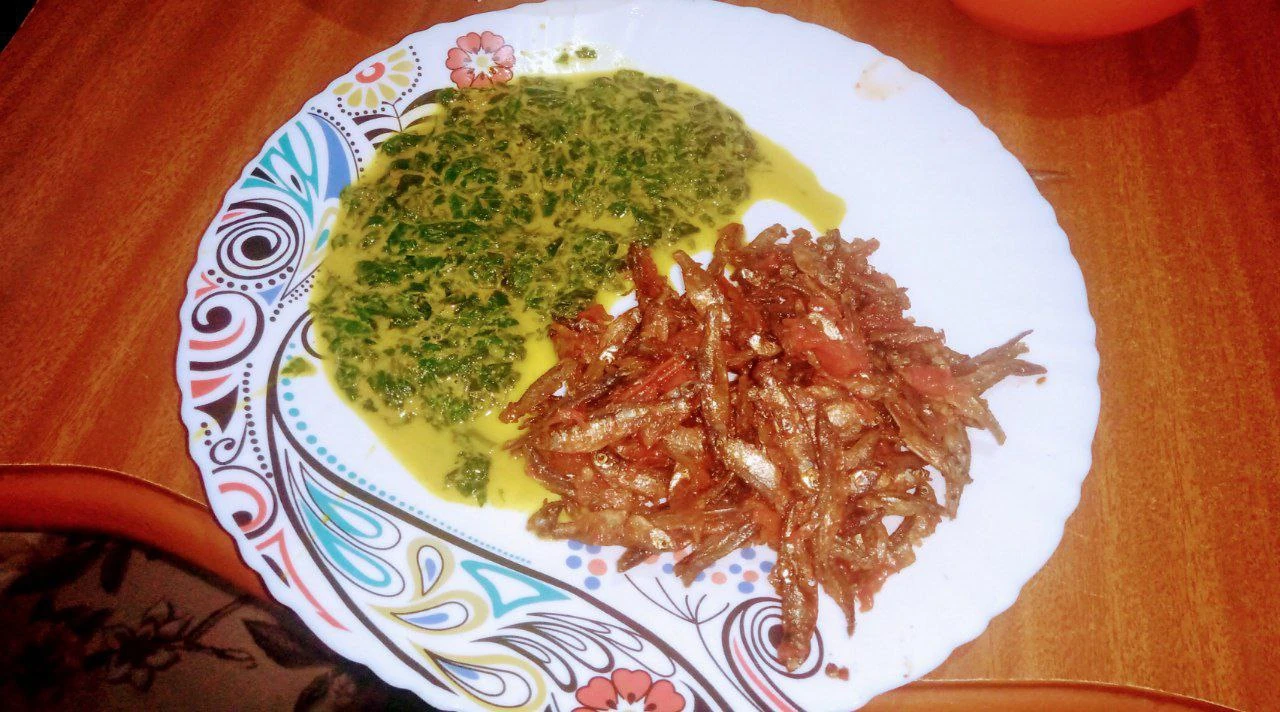
Think in terms of comfort, not miracle foods.
There is no single food that “cleans” or “repairs” the prostate. For some people with chronic symptoms, a clinician may suggest noticing whether alcohol, caffeine, acidic or spicy foods seem to worsen bladder or pelvic discomfort. Individual tolerance varies.
See the full discussion of food, drinks and symptom tracking →
Common questions
No. Bacterial prostatitis exists, but chronic prostatitis/chronic pelvic pain syndrome may occur without a proven bacterial infection.
No. Antibiotic selection and duration depend on the diagnosis, likely organism, local clinical considerations and your own medical history. Self-starting leftover antibiotics can delay appropriate care.
Yes. Urinary, pelvic, bowel, musculoskeletal and other conditions can overlap. That is why persistent or significant symptoms deserve clinical assessment rather than an online label.