Movement: aim for sustainable, not punishing
Regular activity supports general cardiovascular and metabolic health and can help with stress. If sitting for long periods seems to increase pelvic discomfort, breaking up sitting time may be worth discussing. Some people find particular activities comfortable while others notice symptom flares.

There is no universal “best prostate exercise.” Pelvic-floor treatment can be useful in selected chronic pelvic pain cases, but the right approach may involve relaxation rather than simply strengthening muscles, so personalised assessment matters.
Fluids: enough, not extreme
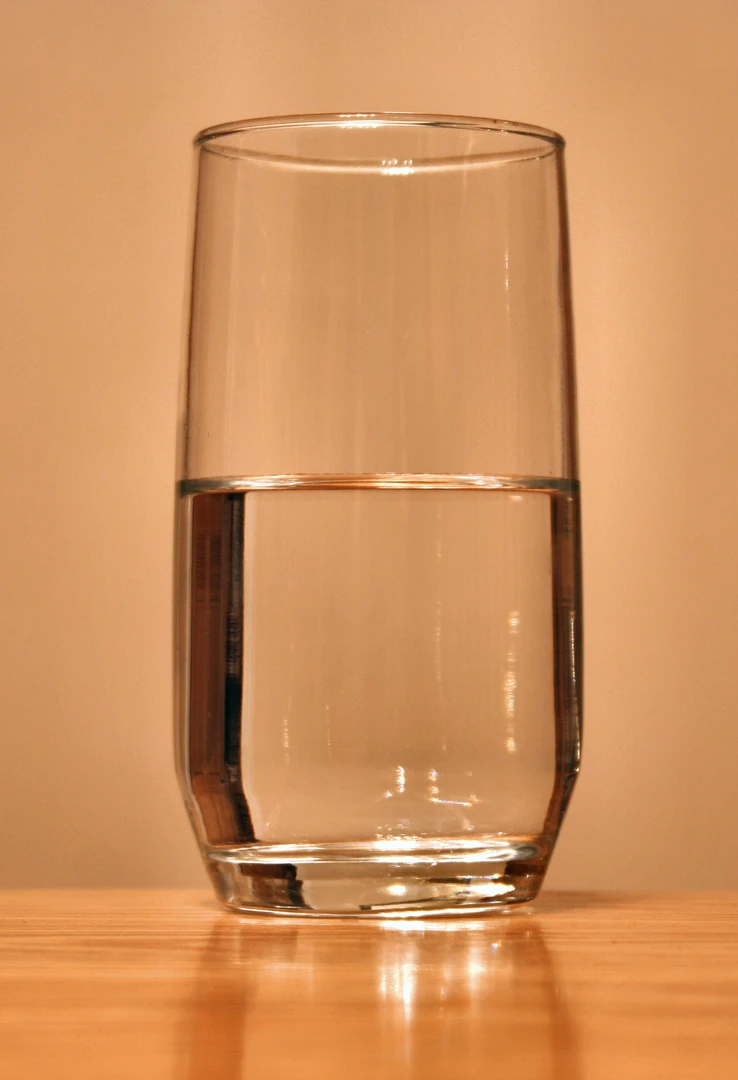
Fluid intake may be discussed in urinary or bacterial problems, but forcing very large amounts of water is not a treatment. Kidney, heart and other conditions can affect what fluid advice is safe for an individual.
Food and bladder irritants
There is no evidence-based single “prostatitis diet” that applies to everyone. NIDDK notes that clinicians may sometimes recommend reducing substances that can irritate the bladder, such as alcohol, caffeinated drinks and acidic or spicy foods, particularly in chronic symptoms.
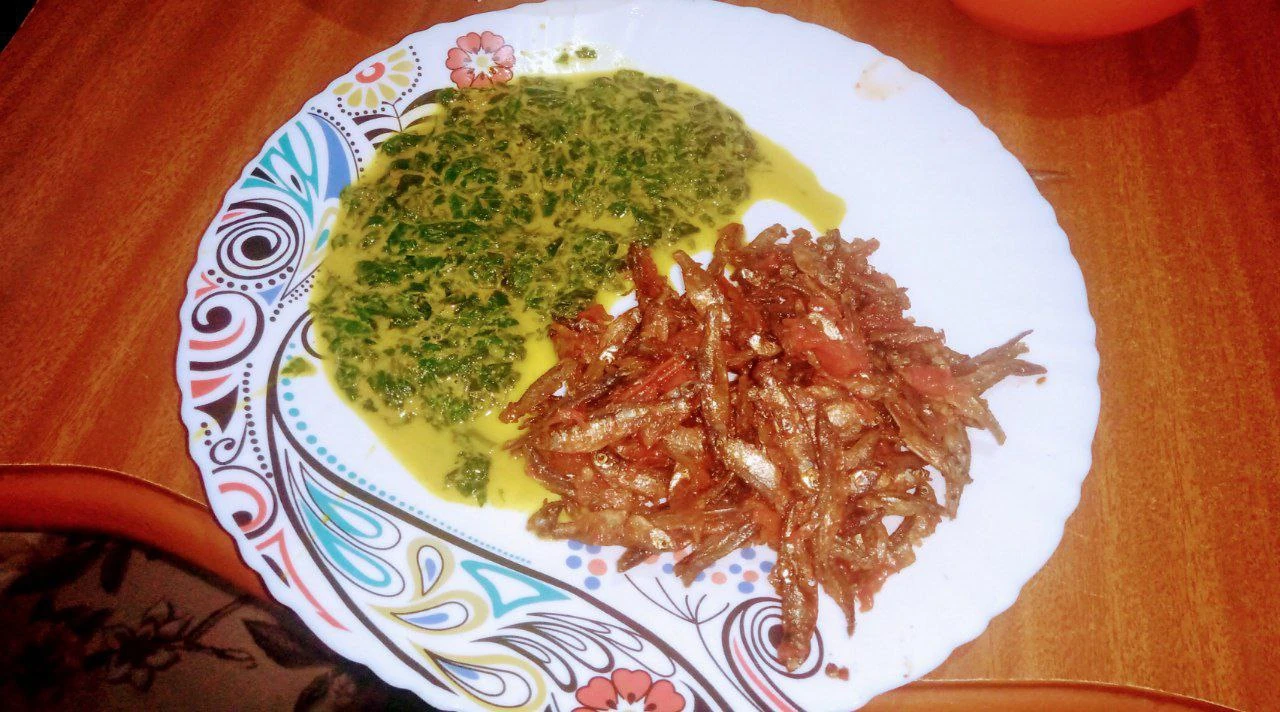
A practical approach is to notice repeated patterns rather than banning long lists of foods after one difficult day. If nutrition changes become restrictive or cause weight loss, discuss them with a qualified clinician or dietitian.
Sleep and symptom burden

Pain and urinary symptoms can disturb sleep, while poor sleep can make pain and stress harder to manage. A regular sleep schedule and a calm wind-down routine are general-health strategies. Persistent night-time urinary symptoms deserve assessment rather than being explained away as “bad sleep.”
Track patterns without becoming trapped by them
A short note about timing, intensity, urinary changes and obvious triggers can help at an appointment. Tracking becomes less useful if it turns into constant checking or encourages you to delay medical care while trying to “solve” the pattern yourself.
Keep notes brief, factual and time-limited. Bring them to the clinician rather than sending them through a general website contact form.
Sexual symptoms and embarrassment
Pain with ejaculation, erectile changes or anxiety around sex can occur alongside pelvic symptoms for some people. These concerns are legitimate reasons to speak with a healthcare professional. They do not by themselves identify the type of prostatitis.
Avoid unregulated cure claims
Products promoted for “prostate cleansing,” guaranteed sexual performance or instant infection relief should be treated cautiously. Kenya's Pharmacy and Poisons Board requires health-product promotion to be factual, evidence-based and not misleading.